White Variation (with a normal one).
This is not the greatest picture as it was a very windy day. But, I wanted y'all to see another variation of the Texas Indian Paintbrush.

Castilega indivisa (Texas Indian Paintbrush)
Shot on April 6, 2017


This is not the greatest picture as it was a very windy day. But, I wanted y'all to see another variation of the Texas Indian Paintbrush.
Castilega indivisa (Texas Indian Paintbrush)
Shot on April 6, 2017
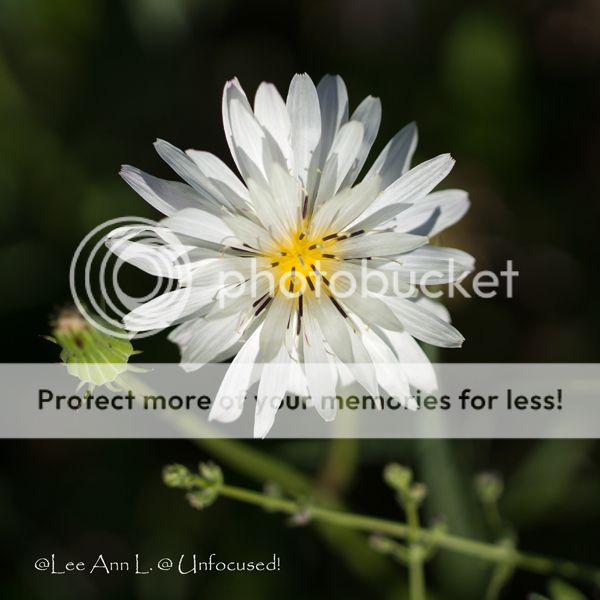
I was outside with Dan and Abby Gail on April 6th when I spied this unusual white False Dandelion. I believe this is the first one I ever seen and I thought it was very cool.

Here is what the False Dandelions look like. We have a kajillion of them on our land.
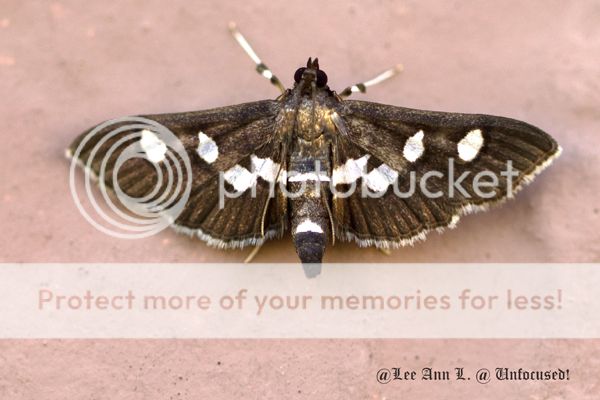
When I first spied this moth, I immediately thought "what a pretty little critter!" However, I discovered it is ugly up close! And, when I researched this moth and found it to be a pest of grapes, I took a disliking to the insect as I am trying to grow grapes not to mention that we have wild grapes too.
I was surprised and pleased to see a few white bluebonnets pop up this year as they were not the healthiest variety last year. They still seem a little stunted; but, at least, they are a tad healthier.

Lupinus texansis (Texas Bluebonnet)
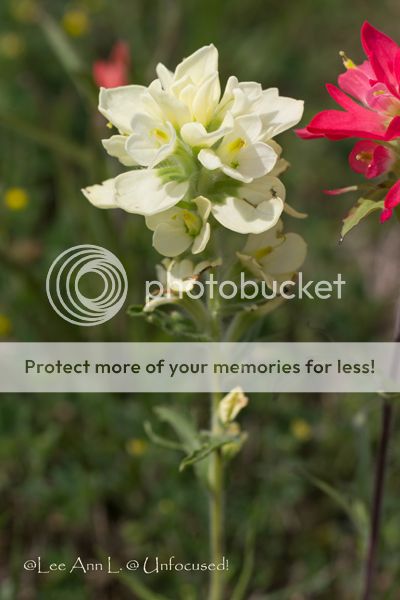

Castilega indivisa (Texas Indian Paintbrush)


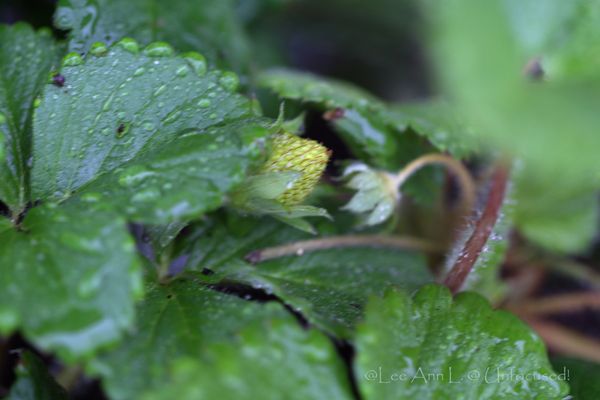
I already obtained the first fruits from plants I had purchased several weeks ago. We transplanted the strawberries into hanging baskets and I hope they survive.
We were quite in a rush to till and amend the soil, plant and start seeds last Sunday (February 26). We decided to amend only the portion we needed to be done right away as it was threatening to rain. The previous weekend was not ideal due to high winds. We will not be in town this coming weekend. So, we only had that one day to do what I needed to do to get the garden started.
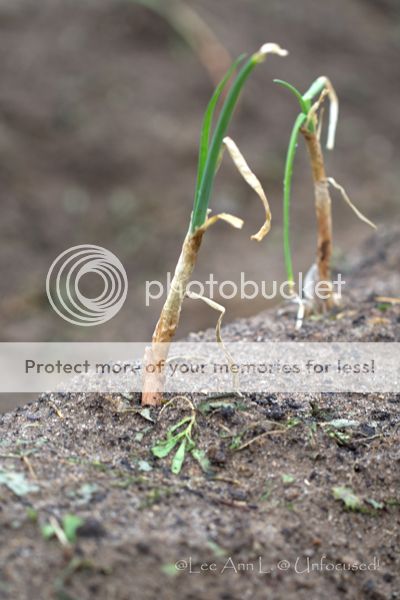
It was hard work and I ended up sore from the efforts. When I went out Monday morning to take care of the garden, I ended up with the trembles (shakes) I could not stop. It was from over exertion. I need to invest in sports drinks just for these times.

I am keeping an eye on the seeds I have started and hope to transplant them after we finish amending the soil on the weekend of March 11th.
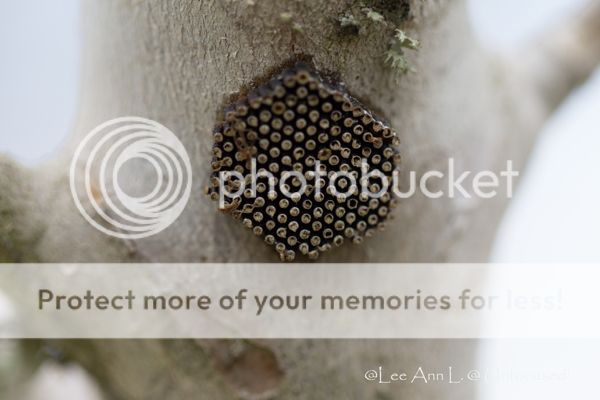
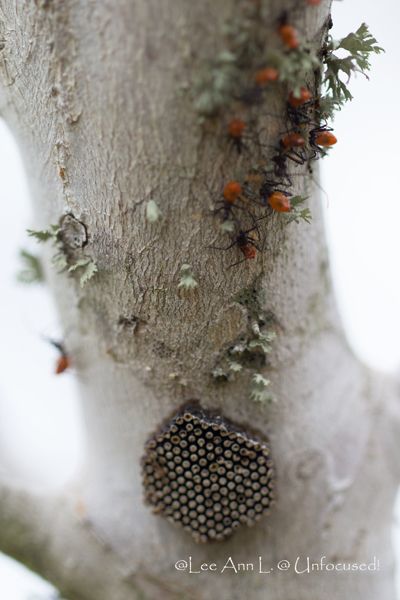
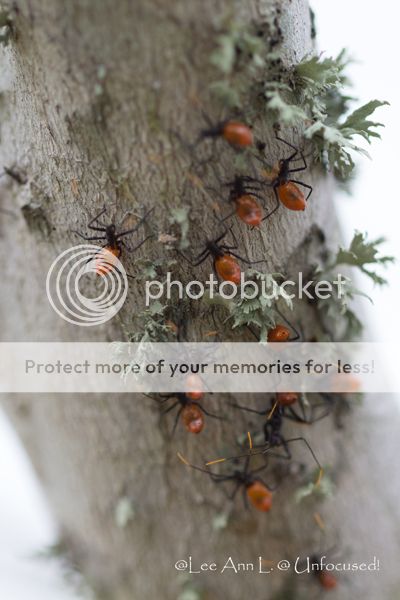
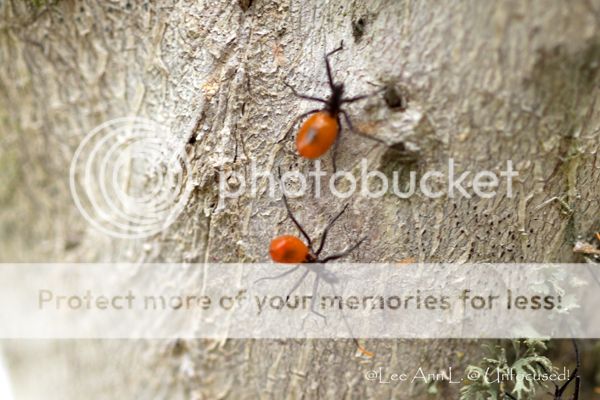
I can recognize the adults. I just never seen the youth and egg sacs until now. Just keep them away from me and I will be a happy person. Sometimes ignorance is bliss because if I had known what these were, I would have not gotten so close to snap pictures.
Here is a good article about this insect: The wheel bug, Arilus cristatus (Linnaeus)..


I believe this is an Western Spotted OrbWeaver spider {Neoscona oaxacensis}.
I have never seen this one hereabouts until now. At least, none that hangs around long enough to become big enough for me to take macro pictures. It is a very tiny spider. The body of this one is probably slightly bigger than 1/4 inch. The web seems large for such a tiny thing and its strands are practically invisible to the naked eye. The web also seems very messy compared to the writing spider (mentioned further down this post).

Writing Spider {Argiope aurantia}
(Other common names: yellow garden spider, black and yellow garden spider, golden garden spider, corn spider, and McKinley spider.)
Speaking of spiders, We had a plague of ordinary garden spiders around the house last year. However, we only had three this year and only one of them successfully mated and formed egg sacs (three in all). She lived practically under our patio roof and in harmony with a huge wasp nest that hung off a wire. The picture above is after she had laid her second egg sac. I figured it'd be her last. Nope. She wandered off and laid a third one several days later. She left her third egg sac after about three days and died several days later without spinning a new final web.
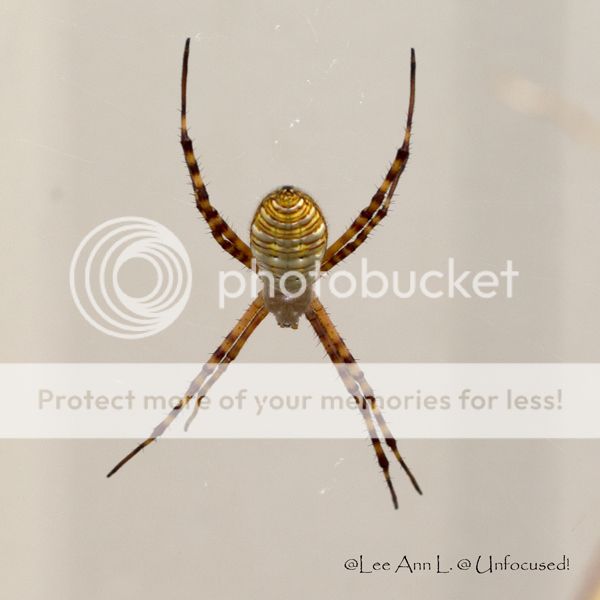
Banded Garden Spider {Argiope trifasciata}
I was missing the banded garden spiders this year. While out and about with Abby Gail, I discovered one on the other side of the garage. It pleased me to see the critter. I was kind of mean to the spider as I kept shaking her web in order to wake her up to get some decent pictures.

As mentioned in a previous Macro post, I have a HUGE butterfly bush. On October 29, I spotted a very unusual butterfly fluttering about and grabbed my camera. It turned out to be a Long-Tailed Skipper.
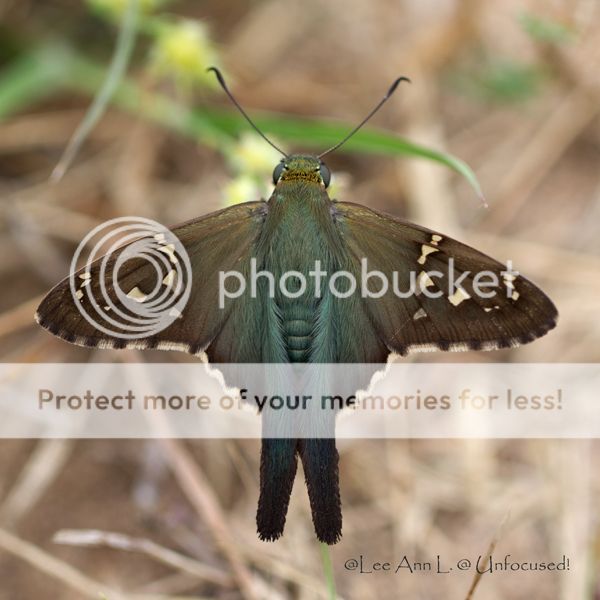
As mentioned in a previous Macro post, I have a HUGE butterfly bush. These pictures were shot on October 30, 2016. Much to my surprise, It is not the same species as the one shot the day before. It was hard to get a good picture because it was constantly moving. This is a White-striped Longtail butterfly.
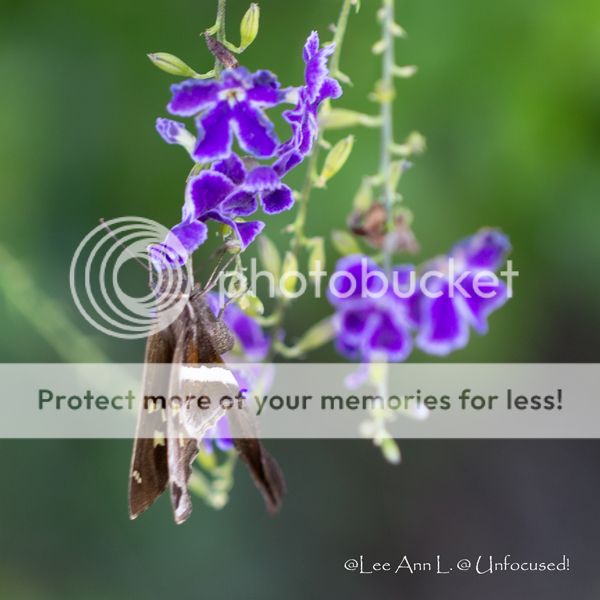
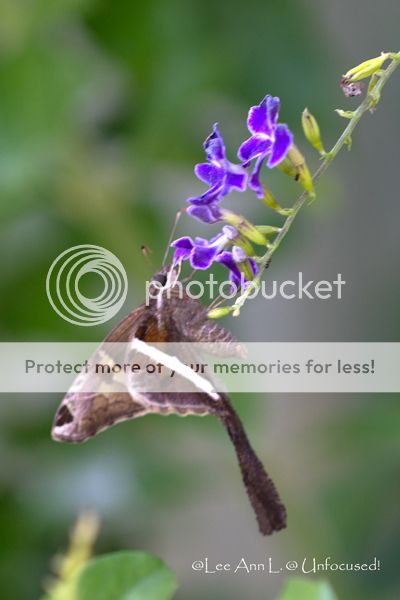
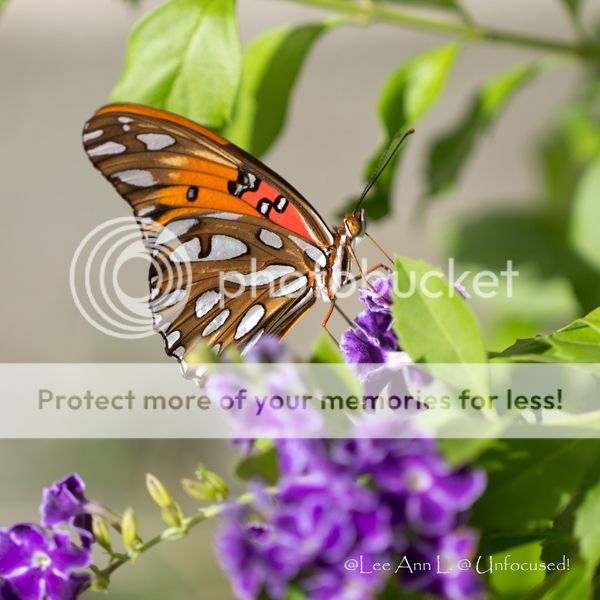
I have a HUGE butterfly bush I planted years ago. It was loaded with a variety of butterflies recently. Abby Gail loves to roost underneath the bush and watch them flutter about. It is as if she has her own butterfly zoo and will often make a beeline for the bush when let outdoors. She's fairly good about not attacking them and even go so far and to approach slowly, stretch out her neck and sniff them out of curiosity.
The pictures don't quite do justice as the whites of the undersides of the wings shimmer when the light shines upon them just right.
{All pictures shown shot on October 30, 2016}


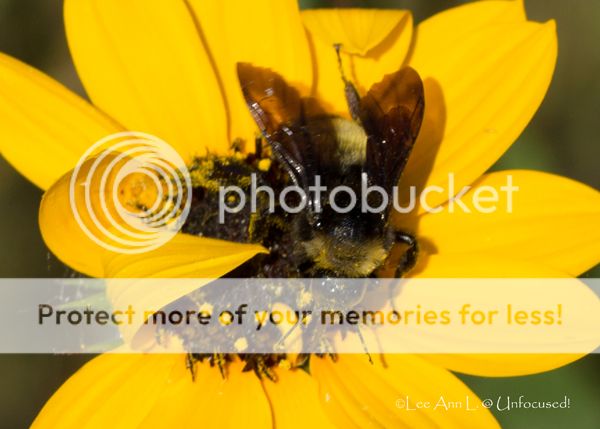
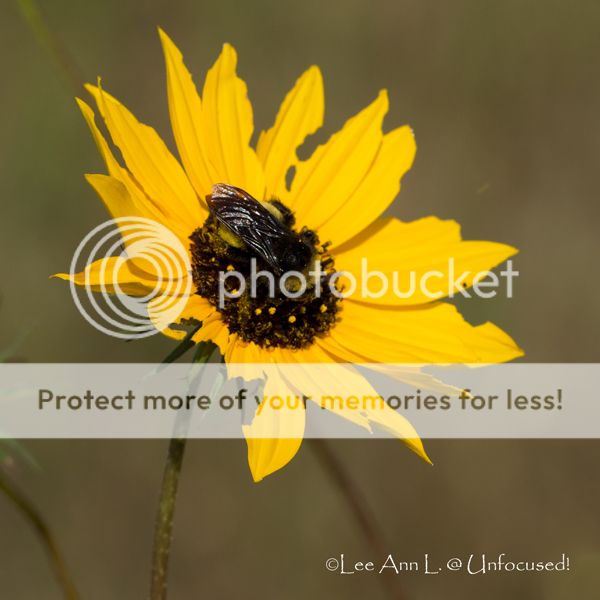
I was thrilled to see multiple bees flying about last weekend. I captured a bumblebee and a regular bee. They never bothered me because they were too busy collecting pollen. I tried to capture a dark blue metallic looking bee; but, it did not come out like I wanted. I am sorely out of practice and the timing was kind of lousy as it was late morning and extremely bright.


Last week, I posted about the Green Lynx Spider and her egg sac I encountered last October. I was keeping an eye on the sac daily and the female spider was guarding her sac for a long time.
In early December, I discovered that spiderlings have busted forth from the sac. I was extremely surprised because Garden Spiders stay in their sacs for a very long time. But, I have since learned through research that the Green Lynx spiderlings come out of the sacs about four weeks after being laid.
It was difficult trying to get a decent picture because they were active little buggers not to mention microscopic! But, I think I managed to get a few decent shots.
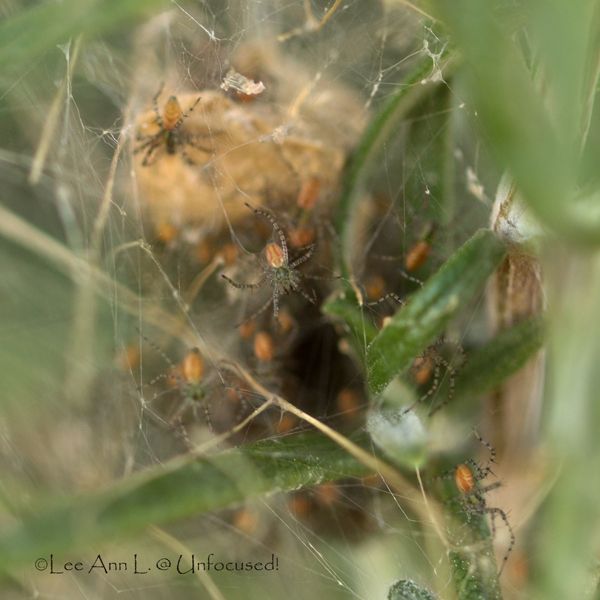
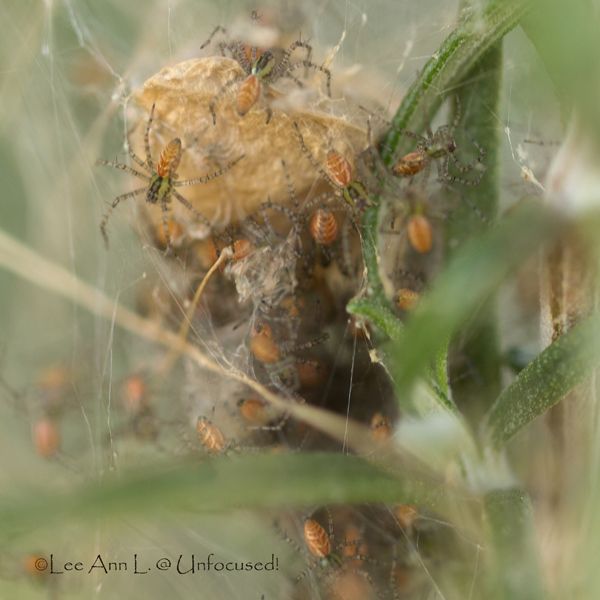
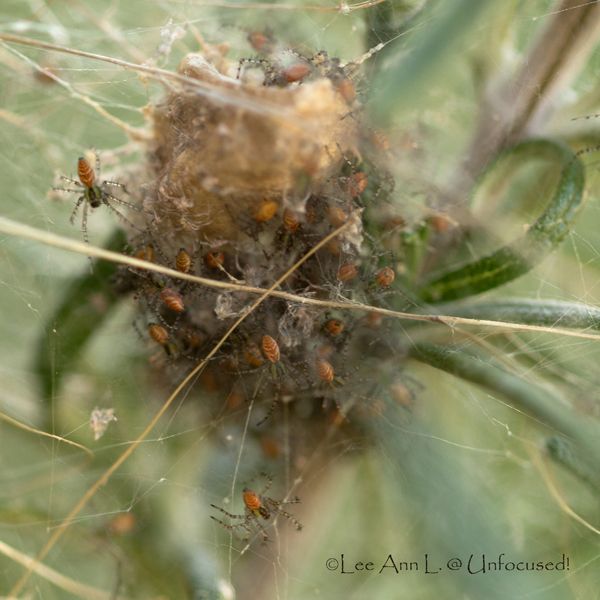
{To see a slightly larger image, go here.}
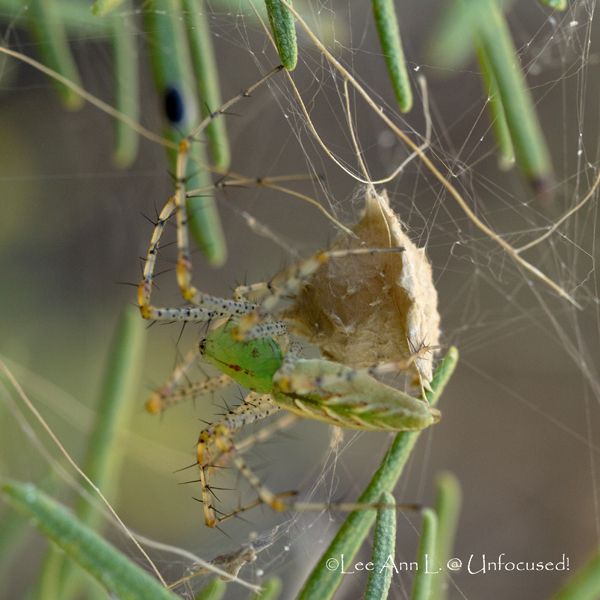
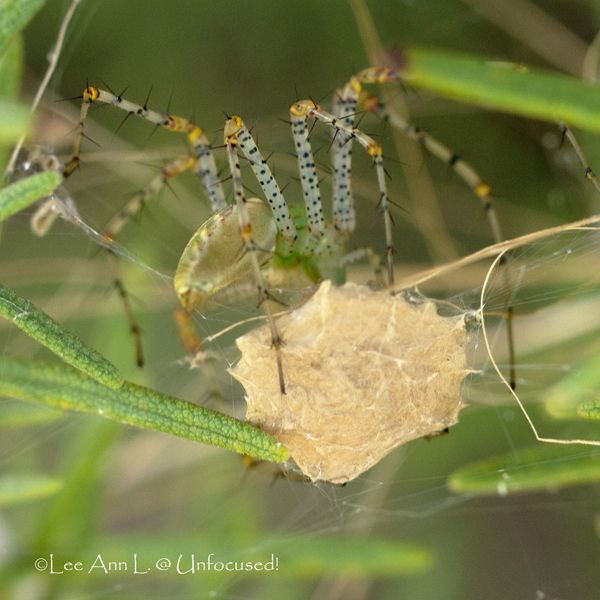
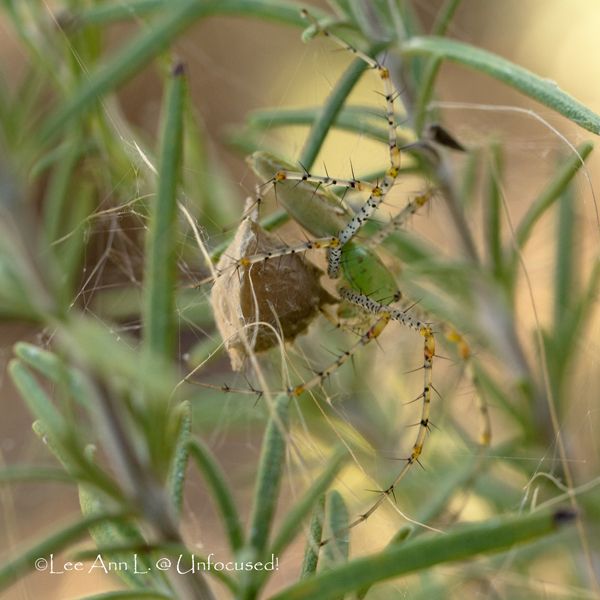
At first, I did not know what to make of the odd "debris" in my Lavender plant; but, upon a closer look, I was thrilled to have determined it was an elusive Green Lynx Spider with her egg sac. This is a first for me!